
A little bead of history
About
bonjuks.
Small beads.
Big stories.
It starts with a word
boncuk / bead
Turkish noun · a bead
Our name comes from boncuk, the Turkish word for bead. A tiny thing with so many possibilities: colour, memory, a little meaning — something to make your own.
At bonjuks in Vienna, we bring that curiosity to the table. We make jewellery, play with combinations, and enjoy the simple pleasure of creating something by hand, together.

 Something yours
Illustrative imagery, created for bonjuks.
More than a little blue bead
Mavi boncuk.
Nazar boncuğu.
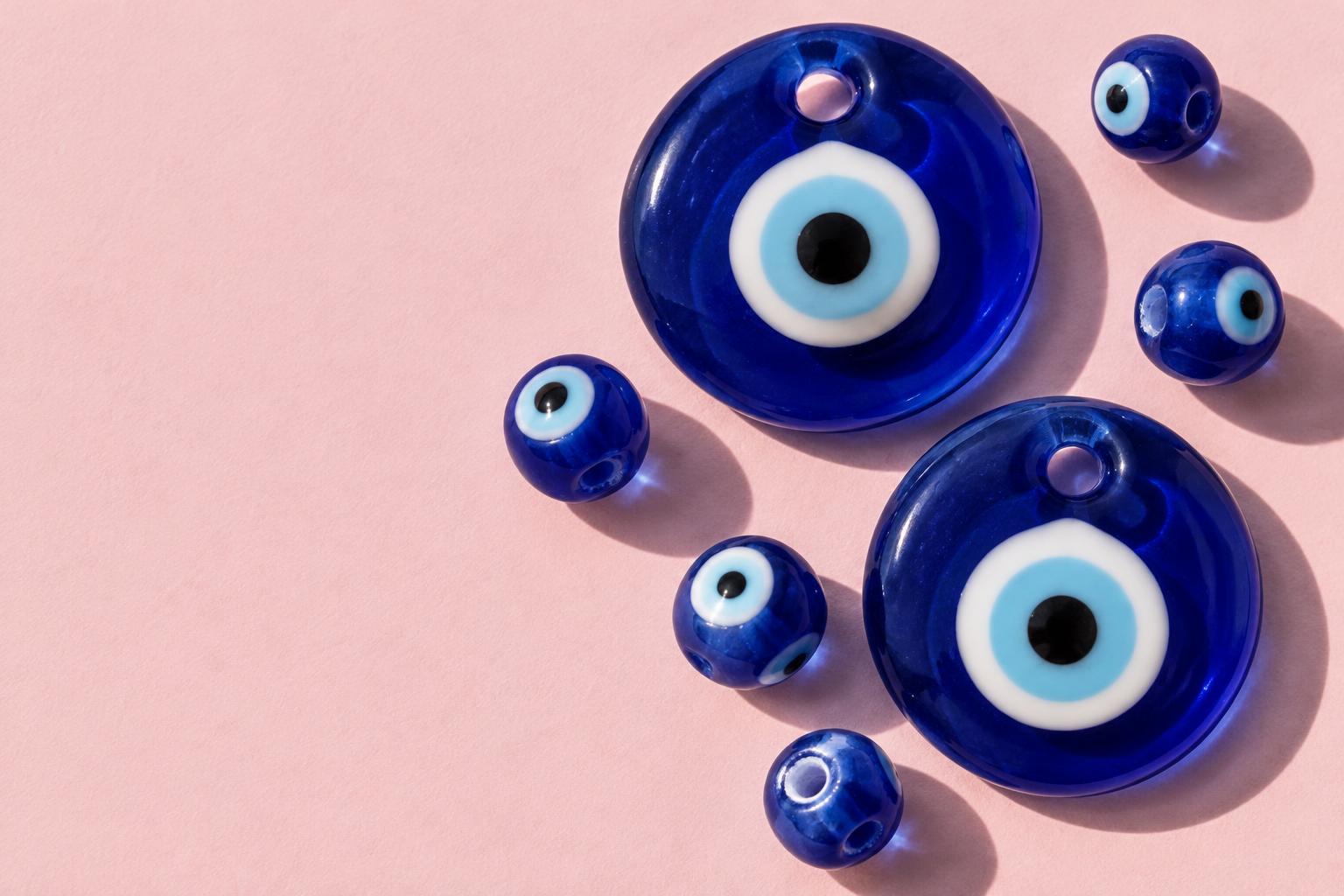
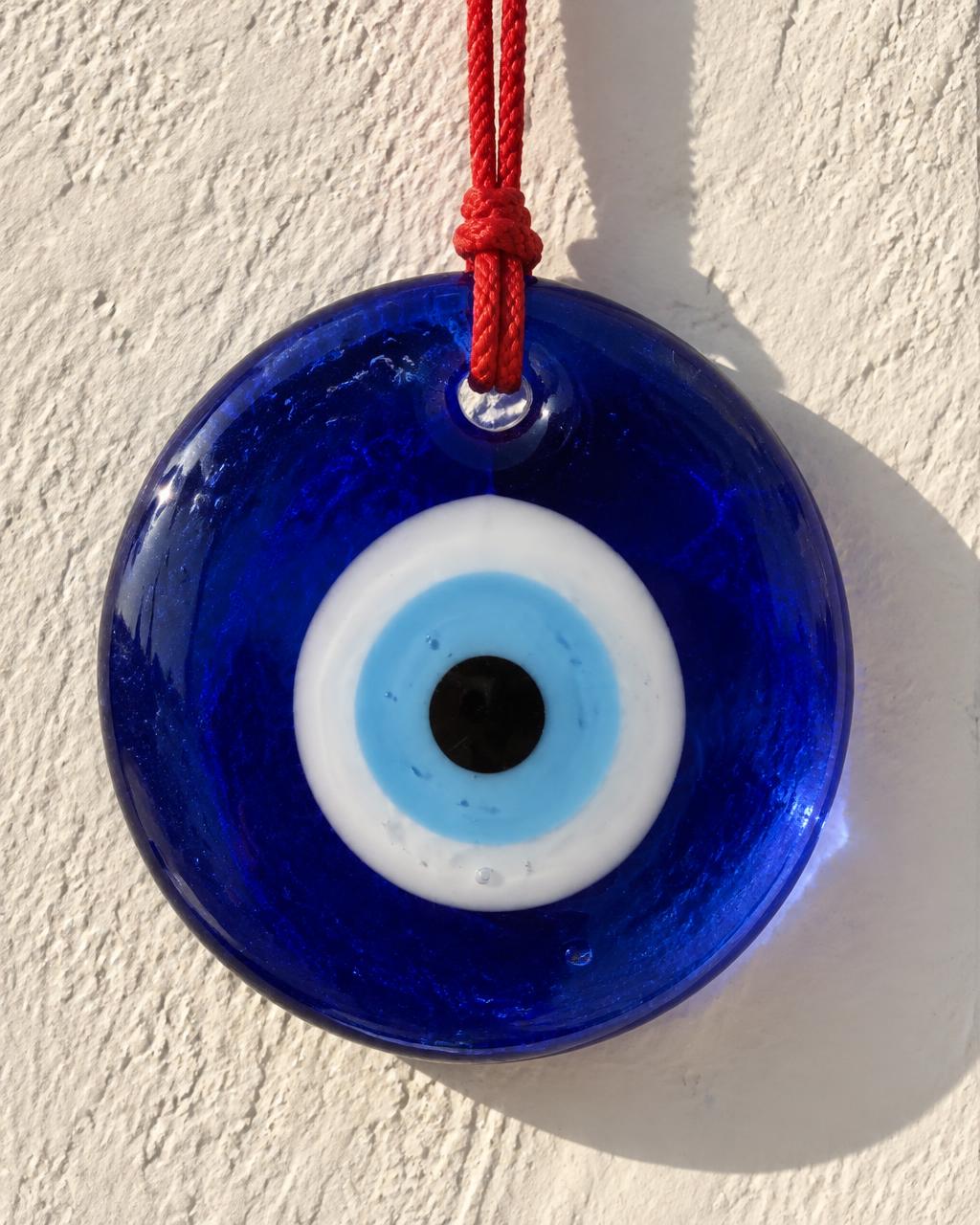
Mavi boncuk means “blue bead.” In Turkish culture, blue beads are closely associated with the nazar boncuğu: the familiar glass eye charm with its layers of blue, white, and a dark centre.
Beliefs about the “evil eye” — harm thought to come from an envious or admiring gaze — have a long history across the Mediterranean and the Middle East. The nazar bead belongs to this wider tradition: it is traditionally carried, worn, or hung in a home as a symbol of protection. This is a cultural belief, rather than a promise of protection.
In Türkiye, the blue glass bead is a living craft. Around İzmir, including the villages of Nazarköy and Görece, craftspeople continue to shape glass beads using traditional furnaces. The tradition has no single, certain starting point; its stories and meanings have travelled across generations.
Today, these little blue eyes can hold many meanings: a wish for someone’s wellbeing, a keepsake, or simply a beautiful bead. We love that something so small can carry so much.
Explore the bead-making tradition
The next story is yours